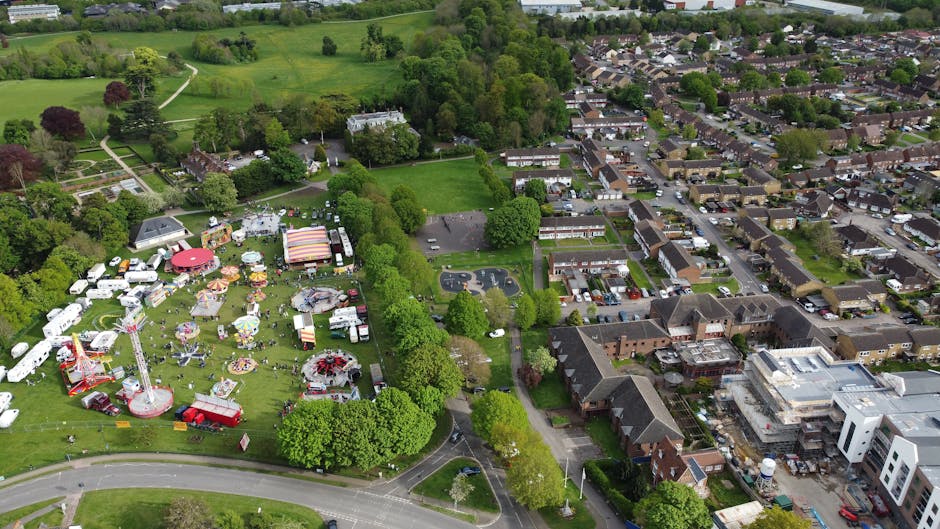
Nonsuch Park Event Cleaning and Waste Removal in Sutton
Planning an event at Nonsuch Park is exciting, but the part people often underestimate is what happens after the last speaker leaves, the music fades, and the bins start overflowing. That is where Nonsuch Park event cleaning and waste removal in Sutton becomes essential. A well-run clean-up protects the park, keeps visitors safe, and helps your event finish as professionally as it started.
Whether you are organising a community fair, charity run, family day, corporate gathering, or a seasonal celebration, the waste trail can build up fast: food packaging, cups, flyers, broken event props, catering waste, muddy footprints, and the odd forgotten tablecloth. Truth be told, it can look fine during the event and then suddenly feel like a small logistics puzzle. This guide walks through how event cleaning and waste removal works, why it matters in a public park setting, what to expect, and how to plan it properly without stress.
For organisers who want broader support around cleaning standards, it can also help to understand the wider service range offered by a local cleaning company, especially when event clean-up needs to connect with deep cleaning, carpet care, or post-event floor treatment later on.
Table of Contents
- Why Nonsuch Park event cleaning and waste removal in Sutton Matters
- How Nonsuch Park event cleaning and waste removal in Sutton Works
- Key Benefits and Practical Advantages
- Who This Is For and When It Makes Sense
- Step-by-Step Guidance
- Expert Tips for Better Results
- Common Mistakes to Avoid
- Tools, Resources and Recommendations
- Law, Compliance, Standards, or Best Practice
- Options, Methods, or Comparison Table
- Case Study or Real-World Example
- Practical Checklist
- Conclusion
- Frequently Asked Questions
Why Nonsuch Park event cleaning and waste removal in Sutton Matters
Public parks are shared spaces, so the standard for tidiness is naturally higher than for a private venue. In a place like Nonsuch Park, waste is not just a visual issue. It affects paths, grass, bins, seating areas, wildlife, and the next group of visitors. A crisp, efficient clean-up keeps the park welcoming and reduces the chance of complaints or avoidable damage.
There is also the practical side. If rubbish is left behind overnight, it attracts pests, blows around in the wind, and makes the site harder to restore the following day. Wet cups on a path or discarded packaging near entrances can turn into a slipping hazard. Mud, spillages, and food residue can also spread further than you expect, especially when lots of people are moving in and out of the same area.
For organisers, there is a reputational angle too. People notice whether an event ends neatly. A spotless pack-down says the event was considered, organised, and respectful of the venue. That matters in Sutton, where community spaces have to work hard and be looked after properly.
Expert summary: event cleaning is not simply about "tidying up". It is a final operational step that protects the venue, supports safety, and makes the whole event look well managed. Skip it, and even a great event can leave behind a poor final impression.
How Nonsuch Park event cleaning and waste removal in Sutton Works
The process usually starts before the event, not after it. Good clean-up planning begins with understanding the layout, the likely visitor numbers, the type of activity, and the waste streams involved. A food-heavy fundraiser, for example, needs a very different set-up from a small arts workshop or a company picnic.
In practice, event cleaning normally includes a mix of front-of-house litter management and back-of-house waste handling. You may need bins monitored during the event, replacement liners, bag collection points, and a clear plan for separating recyclables from general waste. Once the event ends, the cleaning team steps in for a thorough sweep, litter pick, spot clean, and removal of residual waste.
Some events also need more detailed aftercare. Think of mud on hard-standing areas, drinks spillage on benches, compacted food waste around catering zones, or marks on temporary flooring. In those situations, a broader service approach can be useful, similar to the level of care associated with deep cleaning or even one-off cleaning when a space needs a single, high-effort visit rather than an ongoing schedule.
To be fair, a lot depends on timing. A daytime event may need periodic bin checks, while an evening event might need a full sweep as soon as the last guests leave. The cleaner the handover between event staff and cleaning crew, the smoother the whole thing runs.
Typical stages in the process
- Pre-event site review and waste planning
- Bin placement and liner setup
- During-event litter checks and waste resets
- Post-event collection of rubbish and loose debris
- Surface cleaning of high-contact or messy areas
- Final walk-through and sign-off
Key Benefits and Practical Advantages
A good event clean-up team does more than make the park look tidy. It helps the event run better overall. Here are the main advantages people usually notice straight away.
- Cleaner public areas: paths, grass edges, seating areas, and activity zones are restored quickly.
- Better safety: fewer trip hazards, sticky patches, and scattered items left underfoot.
- Less stress for organisers: you can focus on attendees rather than chasing litter bags.
- Improved venue relationships: a clean handover is always appreciated by site managers.
- More efficient recycling: waste separation is easier when it is planned from the beginning.
- Strong end-of-event impression: neat exits matter almost as much as a neat entrance.
There is also a less obvious benefit: speed. If a clean-up system is organised properly, the site can be restored much faster, which matters when there is a tight turnaround or back-to-back bookings. And yes, sometimes the last 10 per cent of work takes 90 per cent of the effort. That is event logistics for you.
If your event includes indoor hospitality elements, you might also want to think about complementary cleaning support such as window cleaning, oven cleaning, or facade cleaning where entrances, kitchens, or external-facing areas need attention before or after a larger occasion.
Who This Is For and When It Makes Sense
This type of service is useful for anyone organising an event in or around Nonsuch Park where waste and post-event tidying could become a burden. That includes charities, schools, local community groups, sports organisers, brands, wedding planners, caterers, and private hosts managing a temporary setup.
It makes sense when your event has one or more of the following features:
- food and drink being served
- large visitor numbers
- temporary seating or marquees
- children's activities or craft stations
- multiple waste types to manage
- short setup and takedown windows
- limited staff available for clean-up
It also makes sense if you want a more professional finish. A lot of smaller events do not think they need external support until the final hour arrives and the bin bags are already multiplying. Then it becomes obvious very quickly.
For businesses and organisations, event cleaning can sit alongside other scheduled services. For example, some teams like to combine event support with office cleaning, office cleaners, or cleaners if they are managing both a workplace and a public-facing event.
Step-by-Step Guidance
If you want the clean-up to go smoothly, a step-by-step approach is the safest way to do it. Rushing waste removal is where problems usually appear. Bags are missed, bins get filled too early, and the final sweep ends up taking longer than planned. Not ideal.
1. Assess the event footprint
Start with the basics: how many guests, what kind of waste, and where the busiest zones will be. Food stalls, entry points, toilets, seating areas, and activity areas usually generate the most mess.
2. Define waste streams
Separate general waste, recycling, and any special waste your event may create. If catering is involved, the waste mix can become more complex very quickly. Clear sorting points help a lot.
3. Place bins intelligently
Bins should be visible, easy to reach, and positioned where people naturally finish using items. If bins are hidden away, rubbish tends to appear on nearby surfaces instead. Human behaviour, really.
4. Schedule checks during the event
Do not wait until the end. Periodic waste checks prevent overflow and keep the park looking cared for while the event is still live.
5. Use a final sweep plan
Once guests leave, the team should work through the site in sections: litter pick, bag collection, surface wipe-down, spill check, and bin reset. A structured route is faster than wandering around looking for "just one more bag".
6. Confirm handover
A final walk-through helps catch overlooked items, especially under benches, behind temporary displays, and near catering areas. It is the moment where you catch the little things before they become somebody else's problem the next morning.
Expert Tips for Better Results
There are a few practical habits that make event cleaning far more reliable. Nothing flashy. Just the sort of details that save time and frustration.
- Choose the right bin mix: if all bins look the same, recycling is often guessed rather than followed.
- Protect high-traffic areas: entrance points and serving areas usually need the most attention.
- Think in zones: divide the site into small sections so nothing gets missed.
- Have spare liners ready: this sounds obvious, but it is amazing how often people forget them.
- Keep a waste lead on site: one person coordinating the clean-up avoids confusion.
- Plan for wet weather: Sutton weather can change mood in a moment, and soggy waste is heavier, messier, and harder to sort.
It also helps to think beyond the obvious rubbish. Sticky picnic tables, muddy floor mats, worn entrance mats, and food splashes often need a slightly broader clean than basic litter collection. In larger or messier events, services like carpet cleaning, hard floor cleaning, or upholstery cleaning may be sensible for associated indoor spaces, hired furnishings, or support rooms.
A small human detail here: the best organisers usually do not wait for a mess to become obvious. They spot the risk early. That is the difference between a tidy finish and a long, slightly grim clean-up at 10:45 pm.
Common Mistakes to Avoid
Most event waste problems are predictable. The good news is that they are also avoidable once you know what to look for.
- Underestimating waste volume: a modest crowd can still generate a surprising amount of packaging and drink waste.
- Relying on one end-of-day sweep only: if bins overflow mid-event, the site looks messy and becomes harder to restore.
- Poor bin signage: if guests cannot tell what goes where, recycling quality drops.
- Leaving the clean-up too late: late takedowns create pressure, and pressure causes missed details.
- Ignoring hidden spots: under tables, behind gazebos, and along hedges are classic waste traps.
- Forgetting weather impact: wind can spread lightweight litter far beyond the main event area.
A lot of organisers also forget to plan for post-event grime, not just rubbish. Mud on footwear, spilled soft drinks, and food residue can all leave marks that need a more considered finish. If you are dealing with properties or temporary event spaces as well, services such as after builders cleaning or house clearance may be relevant in adjacent circumstances, particularly where there is leftover bulky material or a site that needs a proper reset.
Tools, Resources and Recommendations
You do not need a mountain of kit to handle event cleaning well, but you do need the right basics. A sensible clean-up team will usually rely on a simple, dependable set of tools rather than overcomplicating things.
| Tool or Resource | Why It Helps | Best Used For |
|---|---|---|
| Heavy-duty bin bags | Resist tearing when waste is bulky or damp | General waste collection |
| Colour-coded bins or labels | Makes recycling easier for guests and staff | Waste separation points |
| Gloves and grabbers | Improve safety and speed during litter picking | Ground-level waste removal |
| Spill cloths and neutral cleaner | Help remove marks without damaging surfaces | Tables, benches, and hard floors |
| High-vis waste marshal setup | Improves coordination in busy conditions | Large or crowded events |
| Checklist and site map | Prevents missed zones and confusion | Final sweep and handover |
For organisers who want a broader housekeeping approach, it can be useful to think of event cleaning as part of a larger maintenance picture. That might include domestic cleaning for private venues, house cleaning for event-related accommodation or prep spaces, and home cleaners when temporary hosting areas need a proper reset after guests depart.
It is also wise to keep documentation tidy: waste notes, handover times, and any site-specific instructions. Boring? Yes. Useful? Absolutely.
Law, Compliance, Standards, or Best Practice
Event cleaning and waste removal in the UK should always be handled with care around safety, waste handling, and site rules. Exact requirements can vary depending on the venue, event type, and the waste being produced, so it is sensible to follow local guidance and the event organiser's own responsibilities rather than guessing.
Best practice usually includes:
- safe manual handling of full bags and bulky items
- appropriate protective gloves and footwear
- clear segregation of waste where possible
- careful disposal of any sharp or broken items
- attention to slip hazards from liquid spills or food residue
- keeping paths and exits clear during clean-up
For service providers, strong internal standards matter too. A reputable cleaning team should be able to explain how they approach health and safety, what their insurance and safety expectations are, and how they manage sustainability through recycling and sustainability. That does not mean every event needs a formal compliance pack sitting on a table. But it does mean there should be a clear, sensible process behind the scenes.
One practical point: if you are dealing with food waste, broken glass, or heavier material, do not leave staff improvising. Assign the right person, the right kit, and the right route. It saves time and reduces awkward little accidents that nobody wants to explain at the end of a long day.
Options, Methods, or Comparison Table
Different events need different clean-up styles. There is no single best method for everyone, and that is partly why planning matters so much. A comparison can help you choose the right level of support.
| Method | Best For | Advantages | Limitations |
|---|---|---|---|
| Basic litter pick | Small, low-waste events | Quick and cost-conscious | May miss stains, spills, and hidden waste |
| Timed waste marshalling | Moderate-sized public events | Keeps bins under control during the day | Needs on-site coordination |
| Full post-event clean | Busy or messy park events | Thorough, safer handover, better finish | Takes longer and needs more staff |
| Combined clean and clearance | Events with bulky leftover items | Covers waste plus dismantling debris | Needs clear item lists and site access |
If you are deciding between a lighter clean and a more comprehensive reset, ask one simple question: will the site look, feel, and function normally once the team leaves? If the answer is no, you probably need more than a quick bin collection.
Case Study or Real-World Example
Here is a realistic example from the kind of event many organisers in Sutton recognise. A small community summer fair in a park setting runs all afternoon, with stalls, face painting, hot drinks, and a modest food area. During the event, the site looks fine at a glance. But by late afternoon, the bins near the catering zone are full, napkins are blowing along the path, and the grass edge near the seating area has started collecting bottle tops and wrappers.
The organiser brings in a cleaning crew to work in phases. First, the high-traffic areas are cleared. Then the bin bags are removed and replaced, with waste separated where possible. After that, the team checks benches, under tables, and the edge of the marquee zone for spillages and hidden litter. A final walk-through catches a couple of small items that would have been missed otherwise - a forgotten cup behind a display board, and some sticky residue on a table top.
The result is not dramatic, which is kind of the point. The park looks like a park again. Guests leave cleanly. Staff are not stuck with bags of rubbish at the last minute. And the organiser goes home tired, yes, but not buried in leftover mess. That is a good day's work, honestly.
Practical Checklist
Use this checklist before, during, and after your event. It keeps the process grounded and helps prevent easy mistakes.
- Before the event: confirm the site layout, waste types, access points, and collection timing.
- Before the event: set out enough bins for guest volume and likely hot spots.
- Before the event: brief staff on who handles waste, spills, and final handover.
- During the event: check bins before they overflow.
- During the event: monitor food and drink areas for spillages and loose litter.
- During the event: keep paths and exits free of clutter.
- After the event: collect all waste from visible and hidden areas.
- After the event: inspect for stains, damp patches, or sharps.
- After the event: complete a final walk-through with the site lead.
- After the event: record any issues that need follow-up.
If you want a broader property or venue reset beyond the park itself, related services such as carpet cleaner, sofa cleaning, rug cleaning, and carpets cleaner may be useful for indoor areas affected by the event.
Conclusion
Nonsuch Park event cleaning and waste removal in Sutton is one of those services that quietly determines whether an event finishes well. It keeps the site safer, improves the visitor experience, supports recycling where possible, and makes life much easier for organisers and venue teams alike. When it is handled properly, nobody really notices the clean-up itself, only the fact that everything feels calm, orderly, and looked after.
The key is to plan early, assign clear responsibilities, and choose a level of clean-up that actually matches the event, not the one you hope it turns out to be. That simple shift saves stress later. And frankly, after a long day in the park, a tidy handover feels like a small mercy.
Get a free quote today and see how much you can save.
If you are comparing providers, it can also help to read more about the team behind the service on the about us page, review the pricing and quotes guidance, or use the contact us page when you are ready to discuss your event requirements. Clear information up front makes the whole job simpler.
Frequently Asked Questions
What does Nonsuch Park event cleaning and waste removal in Sutton usually include?
It normally covers litter collection, bin emptying, waste bag removal, light surface cleaning, spill response, and a final site walk-through. Larger events may also need recycling separation and more detailed post-event tidying.
Do I need event cleaning if my gathering is small?
Even small gatherings can leave behind more waste than expected, especially if food or drinks are involved. A short event can still create enough packaging, cups, and debris to need a proper tidy-up.
Can waste be separated for recycling during an event?
Yes, and it is usually best to plan for that from the start. Colour-coded bins and clear labels make it much easier for guests and staff to sort waste correctly, though it still needs supervision.
How soon after the event should the clean-up happen?
Ideally, as soon as practical after guests leave. The longer rubbish sits on site, the more chance there is of windblown litter, staining, pests, or safety issues.
What happens if the event has food waste and sticky spillages?
Then the clean-up becomes more than a simple litter pick. Food waste, sticky tables, and drink spills usually need a more thorough surface clean, especially in high-traffic areas.
Is event waste removal different from regular cleaning?
Yes. Event clean-up is more about fast, responsive site restoration, while regular cleaning is usually scheduled and repetitive. Events also involve greater variation in waste type and crowd movement.
What should I ask before booking a cleaning team for a park event?
Ask what waste types they handle, how they manage recycling, whether they provide post-event site checks, and how they approach health and safety. It also helps to ask about timing and access needs.
Can a cleaning team help with both waste removal and venue touch-ups?
Usually, yes. Depending on the setup, a team may be able to handle waste removal, spill treatment, floor care, and a final reset of key areas. The scope should be agreed in advance.
What are the most common mistakes organisers make?
The biggest ones are underestimating waste volume, not placing enough bins, skipping mid-event bin checks, and leaving the final clean-up too late. Those four issues cause most of the stress.
Does weather change the cleaning plan?
Definitely. Rain can make waste heavier and messier, while wind spreads litter quickly. Wet conditions usually mean more frequent checks and a more careful final sweep.
Should I plan for bulky waste as well as litter?
If there are marquees, display items, staging, or temporary equipment, yes. Bulky waste often needs a separate plan, especially if dismantling happens at the same time as clean-up.
How do I know if I need a one-off clean or something more ongoing?
If it is a single event with a clear start and finish, a one-off approach usually makes sense. If the site or venue is used regularly, ongoing cleaning may be more practical.
If your event also affects nearby indoor areas, it can be worth looking at cleaner support for flexible, hands-on help, or house cleaning style support where private hosting spaces need a thorough refresh after the day is done.
And if you are reviewing the wider service approach, useful background on values and working standards is available through the recycling and sustainability page and the terms and conditions page, which can help set expectations before the work begins.