Deep Cleaning in Sutton for homes and businesses that need a more thorough clean

Deep cleaning in Sutton is a detailed, room-by-room service for properties that need more than routine upkeep. It suits homes, rented accommodation, small offices and shared spaces where built-up dirt, grease, dust and marks call for careful attention. Our approach focuses on the high-use parts of a property first, then moves into the overlooked details that often make the biggest difference to the final finish.
The service can cover kitchens, bathrooms, living areas, bedrooms, hallways and workspaces, with methods chosen to suit the surfaces involved. We clean as a targeted deep clean rather than a quick refresh, so the work is organised around practical results: cleaner fixtures, fresher surfaces and a more manageable space afterwards. If you need a more specific scope, it is sensible to compare the relevant service pages and ask for a quotation based on the rooms or features you want included.
For a clearer view of what is available, you can review the wider range of cleaning pages and decide which parts of the property need attention. If you are planning a one-off job, a property reset or a more focused clean for particular rooms, pricing and quotes is a useful place to start.
What a deep clean usually includes
A proper deep clean pays attention to the parts of a property that regular tidying often leaves behind. That can mean skirting boards, fittings, switch plates, cupboard fronts, splashbacks, accessible ledges, dust collection points and other surfaces that gather grime over time. The aim is not simply to make a room look presentable for an hour, but to improve the overall standard of cleanliness across visible and frequently handled areas.
In kitchens and bathrooms, the work usually needs a more methodical pace because grease, soap residue, limescale and moisture marks can build up in different ways. Deep cleaning is therefore best handled as a sequence of tasks, with attention given to surfaces, appliances, fixtures and hard-to-reach edges rather than a single pass across the room. When a property has been left untouched for a while, this kind of organised approach helps bring it back to a better baseline.
Many customers also want the job framed around particular priorities. That may include one room that needs extra care, a flat that is due to be handed over, or a property that simply needs a more complete reset after a busy period. For broader household help, the relevant service pages such as domestic cleaning and one-off cleaning can help you compare the right type of visit for your requirements.
Rooms and surfaces we can focus on

Different rooms call for different methods, so the work is best planned around the condition of each space. In kitchens, that often means tackling grease around cooking areas, cleaning splash-prone surfaces and paying close attention to the items people touch most often. In bathrooms, the focus usually shifts to taps, tiles, sanitaryware, fittings and the kind of residue that forms where moisture is present day after day.
Living rooms and bedrooms can benefit from a careful dust-removal process that covers frames, shelves, reachable edges, furniture surfaces and decorative details. Hallways and stairs may need attention too, especially where shoes, hand contact and everyday traffic leave marks on paintwork or flooring. Deep cleaning is most effective when each surface is treated according to what it actually needs, rather than by using the same method everywhere.
If upholstery, carpets or rugs also need care, it can be sensible to look at the dedicated pages rather than assuming one treatment fits all. For example, carpet cleaning, upholstery cleaning and rug cleaning each cover a different kind of material and finish, so the right choice depends on where the dirt sits and how the surface is made.
Areas that benefit from more detail
Some parts of a property are easy to overlook until they become noticeably dull or marked. Around handles, edges, frames and fittings, dirt can accumulate gradually, which is why a deep clean often includes these smaller details alongside the more obvious work. A well-planned service makes room for those extra touches without losing sight of the main task in each area. It is this steady, systematic method that gives the clean a more complete result.
The same principle applies to harder working spaces such as utility rooms, entrance areas and home offices. These are often used frequently but cleaned in a lighter way, so they may need a more considered pass to remove the grime that has settled over time. Where flooring needs particular care, the approach should match the surface. That is why hard floor cleaning can be relevant where the room includes tiled, sealed or similar flooring that needs specialist attention.
When surfaces or items in the property need separate treatment, splitting the work into the correct service categories helps avoid confusion. It also makes it easier to set expectations about the finish, the likely effort involved and any areas that need especially careful handling. Choose the scope that reflects the condition of the room rather than the broadest possible option, and ask for a quotation once you know what is to be cleaned.
Kitchen and bathroom deep cleaning
Kitchens and bathrooms are often the most demanding rooms in any property because they combine frequent use with residue that clings to surfaces. In kitchens, the service may involve cleaning around appliances, splashback areas, cupboard faces, worktop edges and other surfaces where cooking marks appear. The goal is to remove the layers that regular cleaning can leave behind, especially where grease and steam have affected the finish.
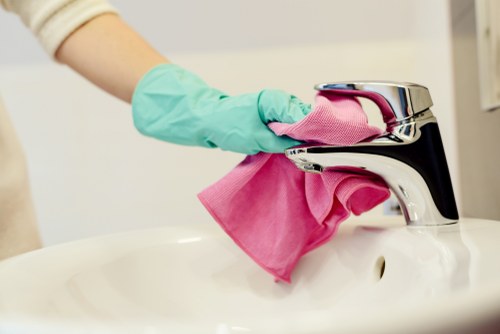
Bathrooms need a similarly careful approach, but the priority there is often limescale, soap residue and general dulling around fixtures and tiled areas. Fittings, sinks, taps, screens and other contact points usually need a thorough clean to restore a more hygienic, presentable look. When a bathroom has many small surfaces, the work is as much about detail as it is about coverage, which is why the right tools and sequence matter.
If your property also needs appliance-specific work, there are dedicated options for those jobs. Pages such as oven cleaning and oven cleaner are useful where the main task is heavy oven build-up, while a more general kitchen clean can be arranged as part of the wider deep clean. The most practical result usually comes from matching each room to the correct cleaning focus.
Before and after a deep clean

Good preparation makes the visit more efficient, but it should stay straightforward. Rooms are easier to work through when pathways are clear enough to reach floors, skirting and lower surfaces, and when the customer has already decided which areas are to be included. A simple list of priorities is often more helpful than a long explanation, especially if particular rooms or items need special care.
It also helps to note anything that may affect access or method, such as fragile items, especially tight spaces or surfaces that need extra caution. If photographs are available, they can make it easier to understand the current condition, but they are only one part of a useful enquiry. The most important thing is to be clear about the rooms, features and cleaning level you want so that the quotation reflects the actual job.
For customers comparing related services, the distinction between a full deep clean and a lighter visit matters. A house cleaning service may suit regular upkeep, while a deeper reset is better handled as a more detailed appointment. If you are unsure which is right for your property, you can ask for guidance and request a quotation based on the surfaces and rooms that matter most.
End of tenancy and property reset work
End of tenancy situations often call for a deeper level of cleaning because the property needs to be left in a tidy, presentable condition for inspection or handover. The work can include rooms that have seen heavy use, as well as areas that tend to be missed during day-to-day cleaning. This may involve fittings, cabinets, hard surfaces, bathroom details and the sections of the home that show wear most quickly.
Where a move-out clean is required, it is sensible to be precise about what should be covered. Some properties need attention across every room, while others only need selected spaces brought back up to standard. A deeper clean can also be useful after refurbishment or decorating, when dust and residue spread into places that are not obvious at first glance. In those cases, the process may be broader than a normal tidy-up and should be quoted accordingly.
If you are preparing a rental property, compare the purpose-built page for end of tenancy cleaning with the more general deep clean option before deciding. The most suitable choice depends on the condition of the property, the level of detail required and whether any specialist surfaces or items need separate attention. Ask for a quotation once you know the scope, so the service can be matched to the property accurately.
Other specialist cleaning pages that may be relevant
Not every property needs the same kind of treatment, and some jobs are best handled under a more specific service heading. If upholstery, floors, windows or particular fixtures are the main concern, selecting the dedicated page can help you describe the work more clearly. That is useful both for planning and for making sure the quotation reflects the correct type of cleaning rather than a broad generic description.
- sofa cleaning for upholstered seating that needs careful fabric treatment
- window cleaning when glass and frames need a separate finish
- after builders cleaning for dust and residue left after building work
- facade cleaning where exterior surfaces need specialist attention
- cleaning company for a wider overview of the services offered
Using the most relevant service page does not make the job more complicated; it just makes the scope easier to define. That is especially helpful when a property needs several types of cleaning at once, because each task can be described clearly without forcing it into the wrong category. For a more general enquiry, contact us and ask for a quotation based on the rooms and surfaces you want cleaned.
About Sutton
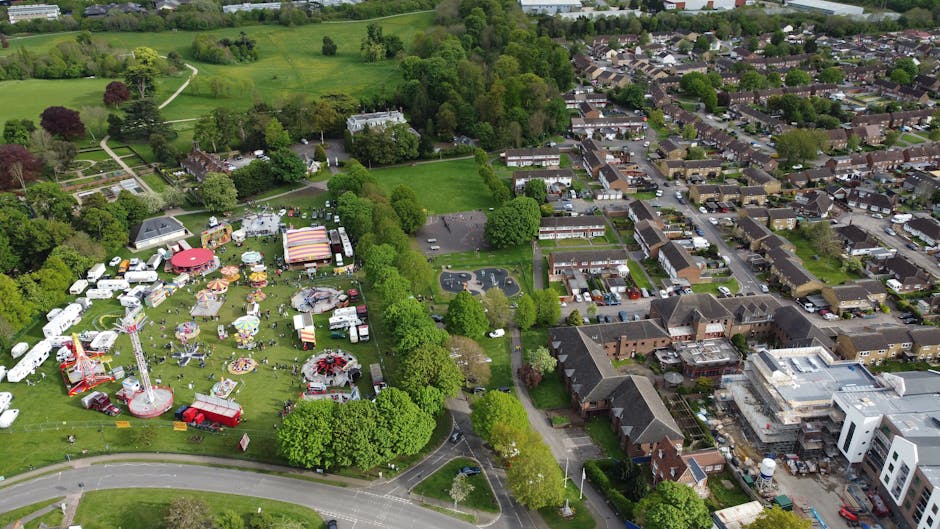
Sutton is a borough and town in South London with a long history shaped by its position on transport routes between London and the towns of Surrey. The modern town centre grew significantly after the arrival of the railway in the nineteenth century, and that expansion is still visible in the mix of shopping streets, civic buildings and residential areas around the core. The borough includes a range of neighbourhoods, from more urban centres to quieter suburban streets, giving the area a varied character rather than a single uniform identity. Sutton itself is known for its relatively green setting within Greater London, with parks, tree-lined roads and open spaces forming part of everyday local life. The borough’s heritage is reflected in the blend of older buildings and later development, while the town centre continues to act as a commercial and administrative focus. Local landmarks and public spaces contribute to that sense of place, and the area’s transport links have long made it an important part of south-west London’s wider network. This combination of history, suburban growth and accessible public space gives Sutton a distinct profile within the capital, balancing practical everyday activity with a quieter local atmosphere in many of its residential streets.
Making a quotation request straightforward

When you are ready to request a quotation, the most helpful details are the type of property, the rooms to be cleaned and any features that need extra attention. A clear scope makes it easier to match the work to the right service level, whether that means a general deep clean or a more specialised task. If the property includes a mix of materials, appliances or heavily used areas, naming those up front is usually enough to build an accurate response.
It is also useful to state whether you want a one-off visit or cleaning focused on selected areas only. That helps avoid unnecessary work being included and keeps the quote aligned with what matters most to you. Where relevant, you can mention if the property is empty, partly furnished or occupied, because this affects how the work is planned and how long different rooms are likely to take. Clear instructions save time later and support a more precise quotation.
For a direct enquiry, use the contact page and provide the basics in plain language. If you already know that the task includes carpets, upholstery or specialist fixtures, say so in the message rather than leaving it to guesswork. You can then request a quotation with confidence, knowing the service has been matched to the job rather than a generic template.
Choosing the right cleaning scope for your property
One of the main decisions is whether the work should focus on the whole property or only on certain rooms. A full deep clean is usually best when every area has fallen behind, while a selective approach can be more practical if only the kitchen, bathroom or reception spaces need detailed attention. The right option is the one that reflects the real condition of the property, not simply the widest available package.
Another consideration is whether any specialist cleaning should be separated from the main visit. Carpets, upholstery, ovens and external surfaces often need different methods, and combining everything into one undifferentiated request can make the quotation less precise. A clearer plan helps with scheduling and makes it easier to understand which tasks belong together and which need their own treatment. That keeps the clean organised and the results more consistent.
Whether you are arranging a property reset, a move-out clean or a more detailed one-off visit, the next step is to compare the relevant pages and decide what level of service is needed. If you are ready to talk through the work, use the main contact option and ask for a quotation based on the rooms, surfaces and finish you want.